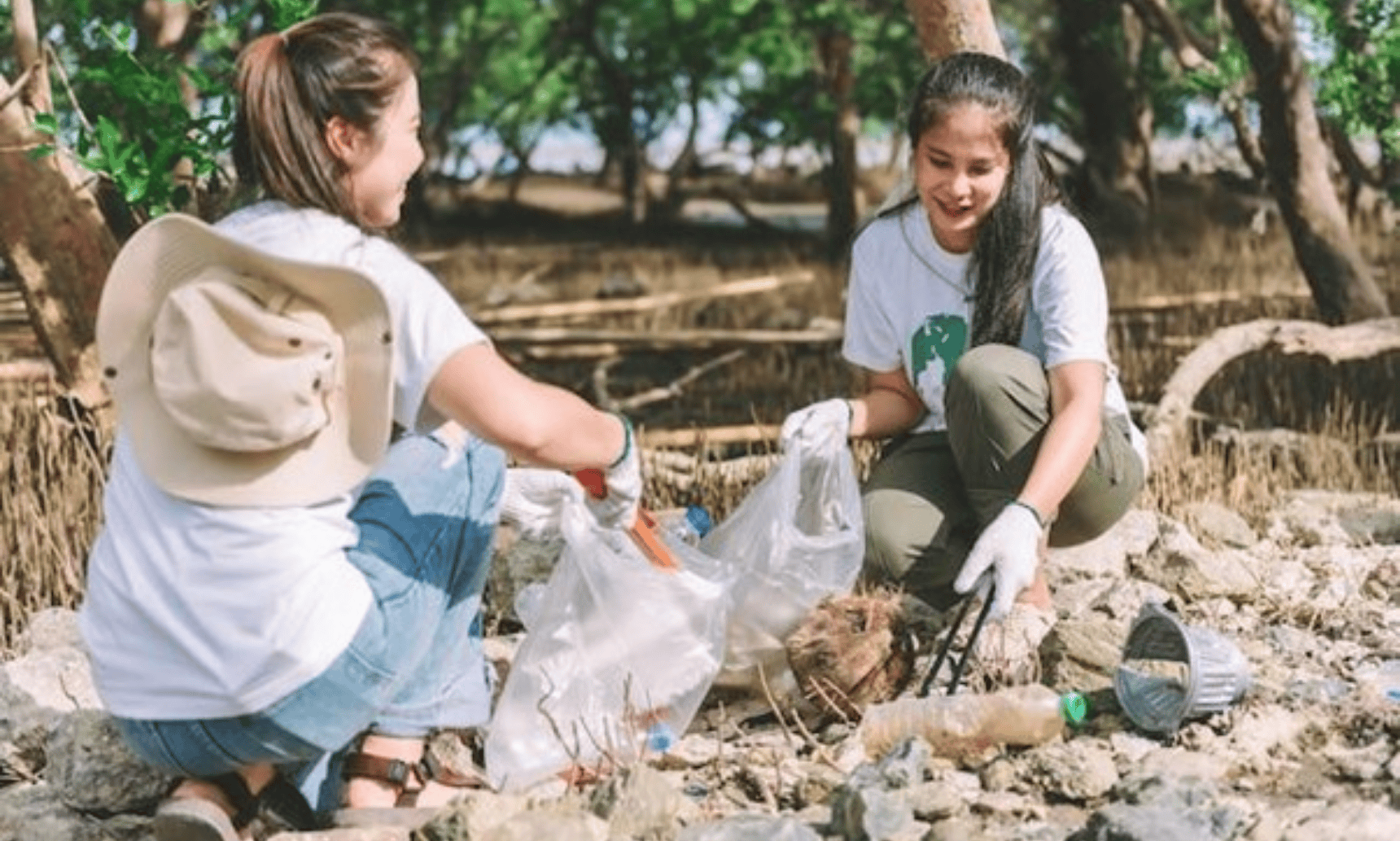
Recycling is more than just sorting waste — it’s about building a cleaner, greener and more sustainable community. As Malaysia is still progressing towards recycling, the nation has the potential to benefit local communities in powerful ways. But awareness, accessibility and participation still pose challenges.
Recycling is primarily about reprocessing materials such as plastic, metal, paper and glass so that they can be reused instead of dumped as waste. This helps reduce pollution, preserve natural resources and minimise the demand for raw materials.
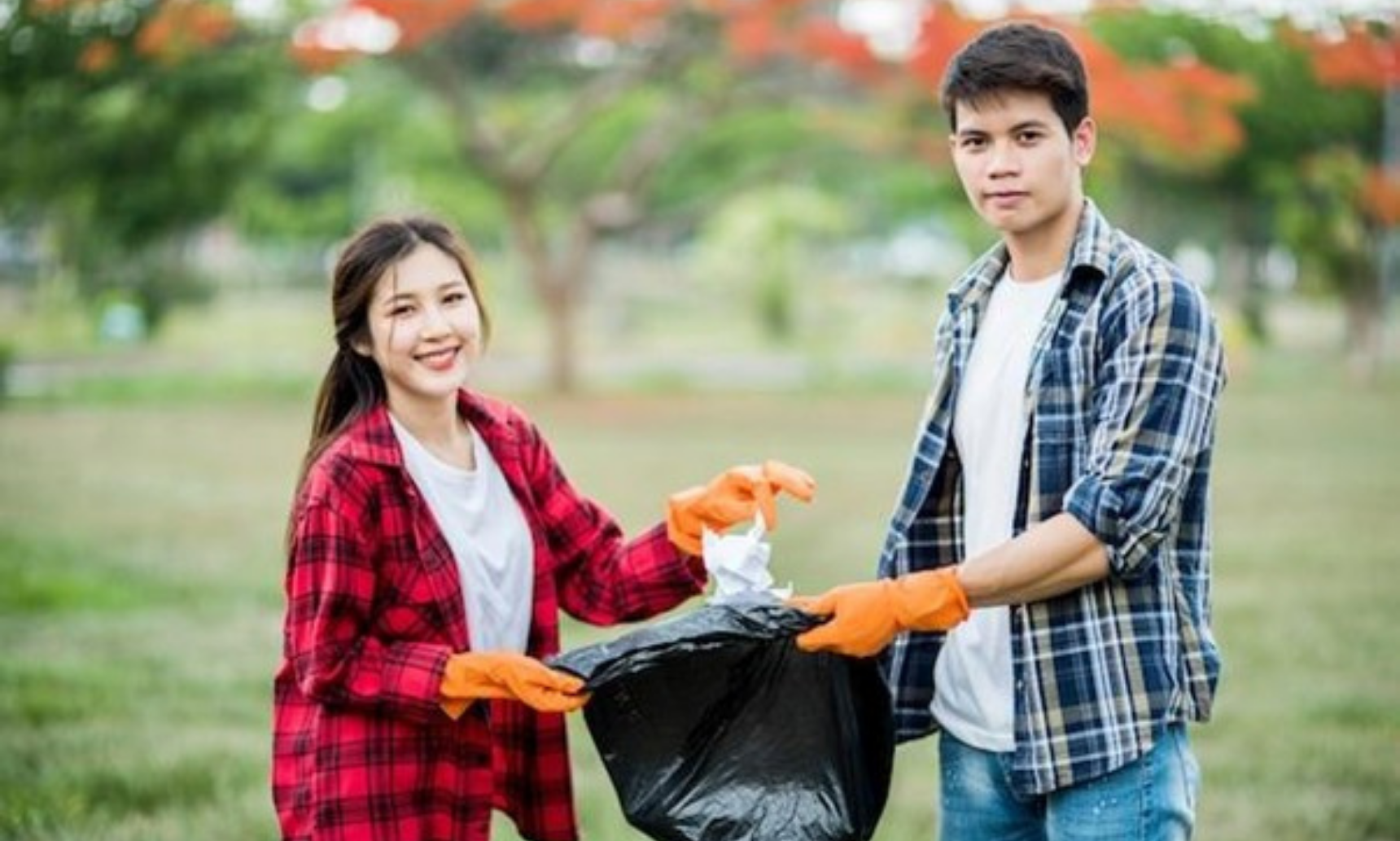
Communities who recycle can enjoy:
- Cleaner, greener neighbourhoods
- A healthier living environment,
- Less waste overflowing in landfills.
The local economy may also benefit! Some recyclable materials can be repurposed or sold, creating new income streams. Furthermore, recycling has significant environmental benefits — it reduces greenhouse gas emissions from garbage breakdown and incineration, contributing to a healthier climate.
Cleaner environments can also boost community pride and improve quality of life. In short, recycling isn’t just good for the environment, it empowers communities, strengthens the economy, and plays a vital role in fighting climate change. Here’s how recycling benefits everyone:
A. More Resources, Less Waste
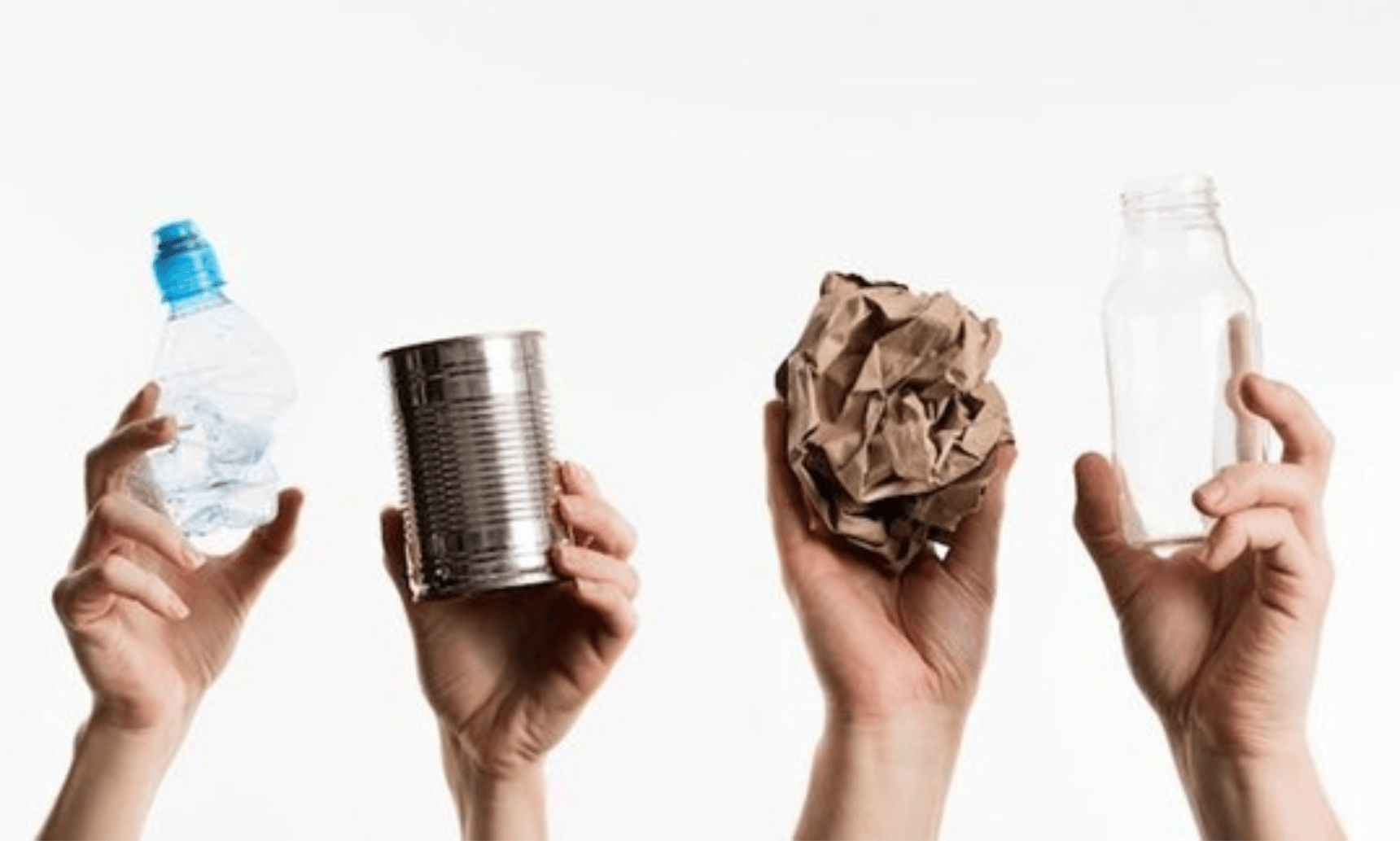
Plastic recycling in Malaysia plays a crucial role in reducing waste and conserving resources. As of 2023, Malaysia’s national recycling rate stands at 35.38% and efforts are ongoing to improve waste management and increase recycling capacity. Malaysians can engage in recycling habits by sourcing the nearest designated recycling centre and disposing of their waste, supporting Malaysia’s transition into a circular economy.
Additionally, various organizations provide convenient outlets for recycling household items like electronic devices, making it easier for Malaysians to adopt eco-friendly habits. Through consistent recycling practices, individuals not only protect the environment but also contribute to a cleaner, healthier, and more resource-efficient Malaysia.
B. Cost Savings for Malaysians

Malaysians can save money through recycling by repurposing items, earning from recyclable materials and reducing waste disposal costs. Recycling extends product lifespans, minimizes spending on new items, and allows individuals to earn through buy-back programs. Recycling also lowers disposal fees in areas with waste-based charges, allowing you to reap both financial and environmental benefits.
C. Fighting Climate Change
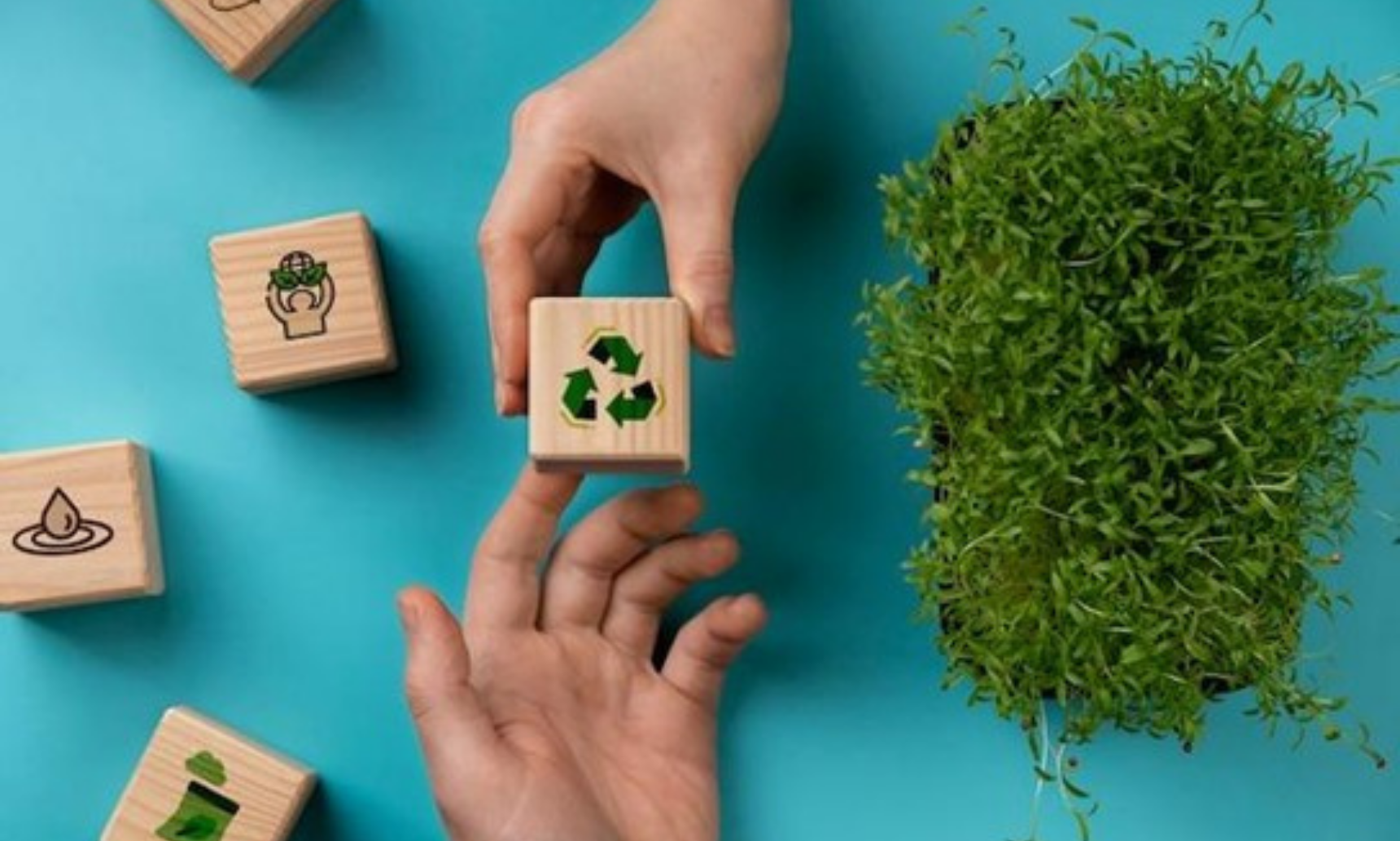
By recycling in Malaysia, we actively help reduce greenhouse gas emissions by minimising waste incineration and landfill methane production.
This aligns with the country's Roadmap Towards Zero Single-Use Plastics 2018–2030, which promotes sustainable waste management. By diverting waste from incinerators and landfills, Malaysia can lower its carbon footprint while advancing national sustainability goals.
Small Actions, Big Impact
Finally, consistent and well-organized recycling efforts can significantly benefit local communities. When everyone participates, the cumulative influence can greatly improve local habitats, community welfare and contribute positively to long-term sustainability goals. So, while your individual efforts may seem small, remember: every bottle, can and box counts.
Power Your Home the Greener Way
Ready to have more environmental impact in your lifestyle? Start by turning your home into a source of savings and sustainability with solutions like Sunmate by Sunview and NuEnergy, a home solar solution by Sunview. You’ll:
- Significantly reduce your electricity bills
- Gain 100% ownership of your solar system
- Reduce your carbon footprint.
Connect with Sunview now!
Recycling: A Lifestyle, Not a Chore
Recycling is not just a responsibility — it’s an opportunity for Malaysians to create a cleaner, healthier, and more sustainable future.
While challenges like awareness and accessibility remain, every small effort helps shape a cleaner, healthier Malaysia for future generations. By embracing recycling in our daily lives, we can reduce waste, protect natural ecosystems, stimulate economic growth, and combat climate change.
For more information on adopting sustainability with solar solutions, visit Sunview’s website here today.
###
Editor’s note: The article was co-contributed by the students of INTI and is part of an Employer Project between Sunview& INTI International College Subang. The contents have been edited to align with the professional editorial standards of Sunview. The views and opinions expressed in this piece are those of the authors and do not necessarily reflect the official stance of Sunview.
Co-contributed by Students of INTI International College Subang:
- Aberami a/p Rajan
- Amber Ham Hui Zhi
- Deevashiney A/P R.Selvam
- Yashiinie A/P Murugan
Lecturer: En. Faizul Azhar, Pre-University, INTI International College Subang
Edited by: Sunview’s editorial team
Sources:
- National Energy Transition Roadmap
- 12th Malaysia Plan
- Waste Recycling in Malaysia Transition from Developing to Developed Country
- Level of Recycling Awareness and Responses to On-campus Recycling Facilities: Case Study-Universiti Kebangsaan Malaysia Students
- Overview of household solid waste recycling policy status and challenges in Malaysia